


Types of Packaging Un-Packed: Primary, Secondary and Tertiary Packaging
In commerce, each industry has specific packaging needs based on product nature, market, and operational demands. We explore these needs, highlighting key considerations like sustainability, cost, and durability, and provide examples to highlight the different functions of the packaging.
Types of Packaging: Primary, Secondary and Tertiary Packaging
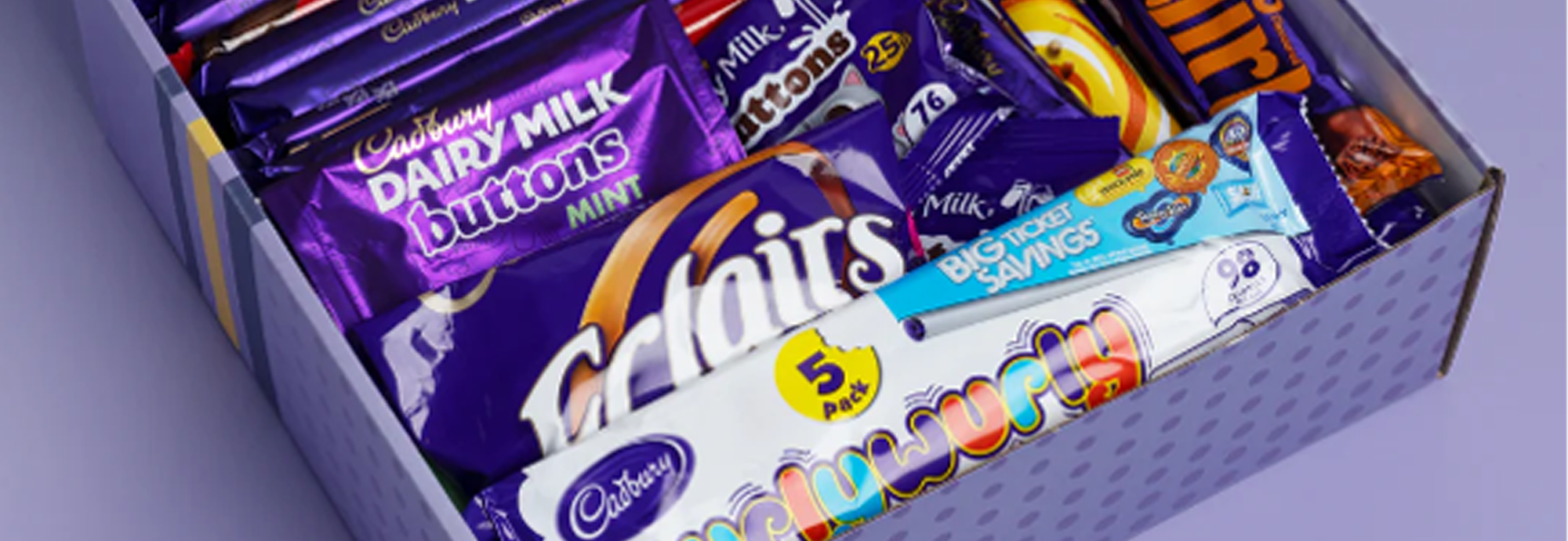
Understanding the functions and importance of each type of packaging can help businesses choose the most effective solutions for their products, ensuring they are protected and presented well throughout the supply chain.
Not every product requires all three packaging types; this depends on the product itself and the journey it will take from production into the hands of the consumer. Some products will take a direct path to the customer, while others may pass through several intermediaries before reaching the customer. In either case, carefully considering what packaging is needed and the form and function of that packaging will be essential.
In brief, the different types of packaging are as follows:
- Primary Packaging: The first layer of packaging that is in direct contact with the product, containing and protecting it from contamination
- Secondary Packaging: The next layer that surrounds or bundles the primary packaging for simplified handling, transportation, or shelf placement
- Tertiary Packaging: The outermost packaging layer for bulk handling, storage and transportation
Primary & Secondary Packaging for Food & Beverages
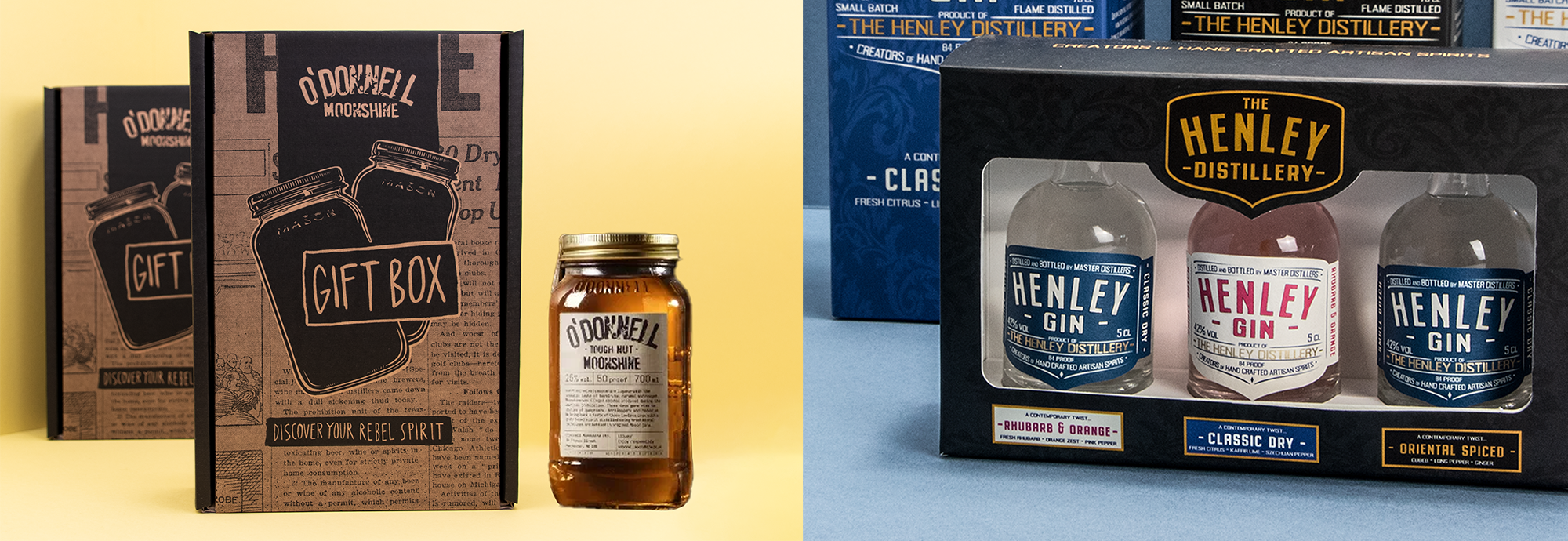
Primary packaging designed for perishables plays a vital role in preserving the quality and safety of the product. This type of packaging is in direct contact with the food or drink and is responsible for protecting it from external factors such as contamination, and physical damage.
Common examples of primary packaging for food or beverages include plastic bottles, metal cans, glass jars or containers, foil or plastic wrappers, and cardboard boxes for takeout food.
Secondary packaging in the food and drinks industry will group primary packages and enhance handling, transport, and storage efficiency. It offers extra protection and aids inventory management when printed with barcodes, expiry dates and other product information. Additionally, it boosts product appeal on shelves, impacting consumer choices and aiding brand differentiation.
Examples of secondary packaging in the food and beverage industry include:
Cartons, such as a cereal box that acts as secondary packaging for the inner pouch, shipping boxes for carrying groups of jars or bottles, which can be made-to-measure to optimise palletisation, shelf-ready packaging (SRPs) for both transporting and displaying items, and paperboard trays with stretch-wrap or films for bundling multiple units of primary packaging like drink cans.
Point to Consider:
When choosing primary packaging for food or drinks, it’s essential to consider food safety compliance, preservation of product quality, environmental impact, and cost-effectiveness.
For secondary packaging, attention should be given to aesthetics, durability, sustainability, protection during transport, inventory management, and cost-effectiveness.
When shipping directly to a consumer, secondary packaging could take the form of a corrugated mailing box, which is often custom-made and printed to enhance the unboxing experience and drive brand recognition.
For packaging going from B2B, our Guide to Shelf-Ready Packaging explores how good SRP can boost sales in the retail environment.
Considering these aspects allows companies to make well-informed packaging decisions.
Related: Can Good Packaging Increase Sales?
Cosmetic Packaging
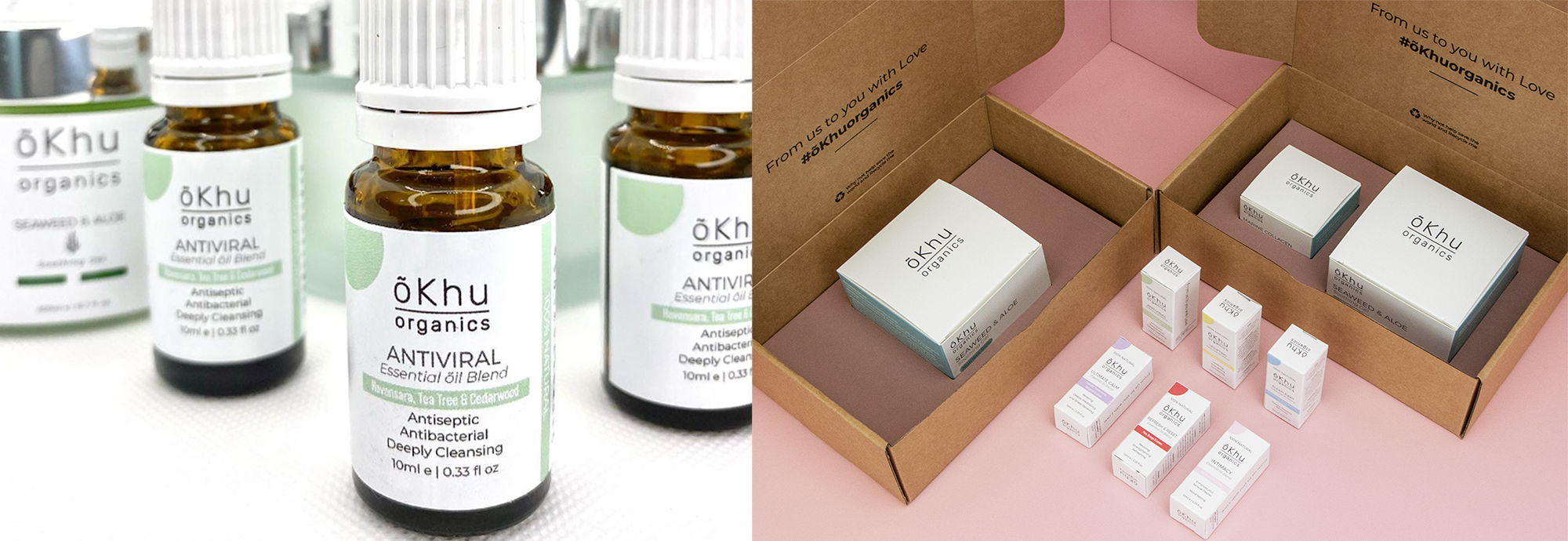
Primary packaging for cosmetics is often referred to as the cosmetic container and is the first layer of packaging that will contain the lotion, cream or powder. Not only does the primary packaging protect the product to keep it sanitary it also needs to carry vital product information for the consumer such as a list of ingredients, directions for use, and any specific storage instructions.
Examples of primary packaging for cosmetics include tubs, jars, plastic or acrylic containers, aluminium tins or sachets
Secondary packaging for cosmetics and beauty products will protect the primary packaging from in-store handling and display the product in a visually appealing way. This layer of packaging is especially important to attract the eye of the consumer and draw them in.
Examples include retail-ready packaging (RRP), and countertop displays (CDU’s) as well as cartons with euro hanging slots and luxury gift set packaging.
Point to Consider:
Because the product and the primary packaging will touch one another, it’s essential to ensure there are no issues with compatibility. For example, a cosmetic product that is in cream or liquid form will require moisture-resistant primary packaging. Other beauty products may have biological properties that make them light sensitive and will need packaging with light protection to avoid degradation.
As noted above, secondary packaging for cosmetic products plays a crucial role in capturing consumer attention and services as an essential tool for marketing both the product and the brand.
Related: How to Create the Perfect Packaging for Cosmetics and Beauty Products
Tertiary Packaging
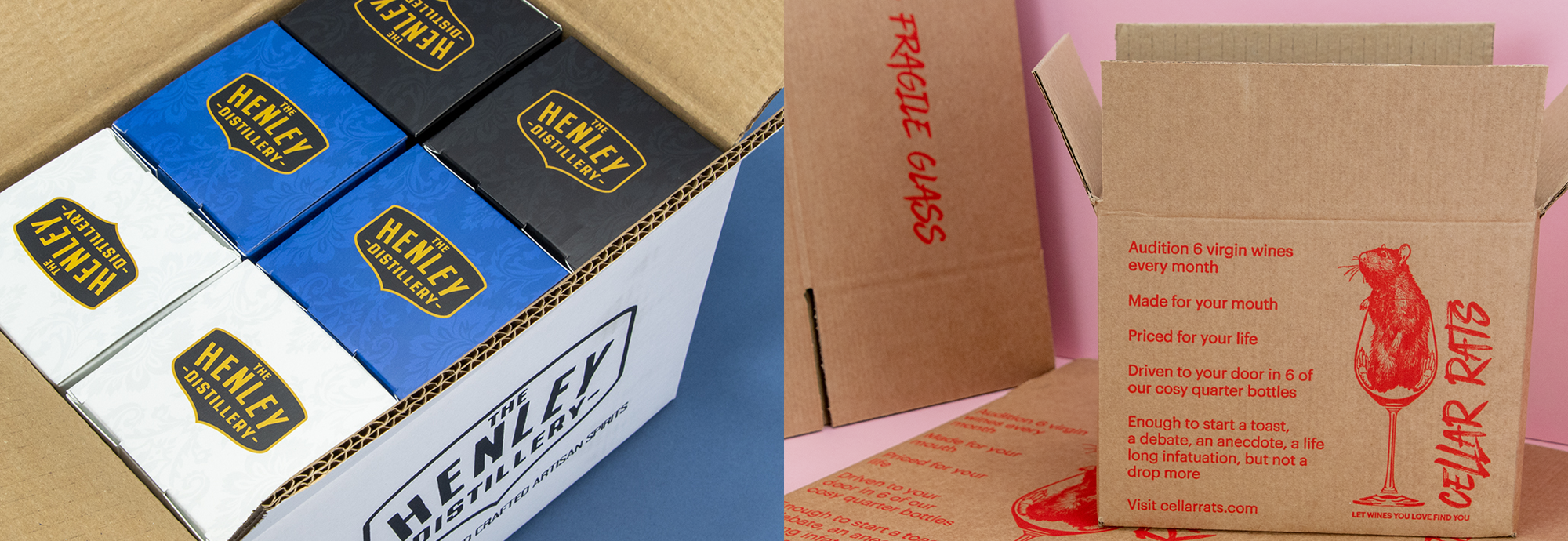
Tertiary packaging has the same function for any industry and is used in the B2B sector. It’s designed to efficiently consolidate boxes of products. It organises multiple units of secondary packaged goods into single, manageable loads that facilitate transport to retail outlets and supermarkets.
When selecting tertiary packaging, it must be durable, adaptable to logistics, and environmentally friendly, supporting brand visibility and controlling costs by minimising the need for the replacement of damaged products.
Common examples include cardboard boxes, wooden pallets, plastic packaging, shipping containers
Examples of Different Types of Packaging for other sectors:
Below are some more examples of various types of packaging utilised in other sectors, including the pharmaceuticals, electronics, and fashion industries.
Each of these packaging types will need to be specifically designed to meet the unique requirements and standards of its respective industry, ensuring that products are delivered safely and attractively to consumers.
Pharmaceuticals
In the pharmaceutical industry, blister packs, child-resistant bottles, and tamper-evident seals are commonly used to ensure the safety and integrity of medications.
Primary packaging examples include blister packs, vials, plastic or glass bottles, or sachets, whereas secondary packaging could take the form of blister cards or wallets and customised boxes and cartons
Clothing:
The fashion industry frequently uses garment bags, branded boxes, and tissue paper to enhance the presentation and protection of clothing and accessories.
Primary Packaging is often seen to be corrugated boxes, rigid boxes, hangers, or garment covers, while secondary packaging is most often used by online retailers sending garments directly to the customers and can include eCommerce mailing boxes or eco-friendly mailing bags.
Electronics:
The electronics sector often employs anti-static bags, corrugated boxes, and foam inserts to protect sensitive equipment from damage.
Primary Packaging can be cardboard boxes, cardboard or foam inserts, blister packs and anti-static bags.
Secondary Packaging is often needed as an additional layer of protection when shipping or storing and includes mailing boxes and shipping boxes that are often custom-made.
If you need any assistance with selecting or designing cardboard packaging for your business, please get in touch with our team for a chat and a free no-obligation quotation.